Mobilizing the power of giving to improve the world.







Why Choose America’s Charities
Flexible Technology and Proven Practices from Decades of Experience
We’ve been at the forefront of corporate responsibility, employee engagement, and workplace giving since 1980. Our experience combined with accountable, transparent processes is why we continue to lead the way in providing the right blend of flexibility and proven practices essential for empowering employers to build and grow their unique employee giving, volunteering, emergency assistance and corporate philanthropy programs. Providing solutions and funds management and distribution services to more than 200 businesses in the U.S. and internationally, inclusive of Fortune 500 companies, and Federal, State and Local governments, the companies we serve range in size from 25 employees to companies with over 300,000 employees.

The Most Passionate, Dedicated Team You’ll Find
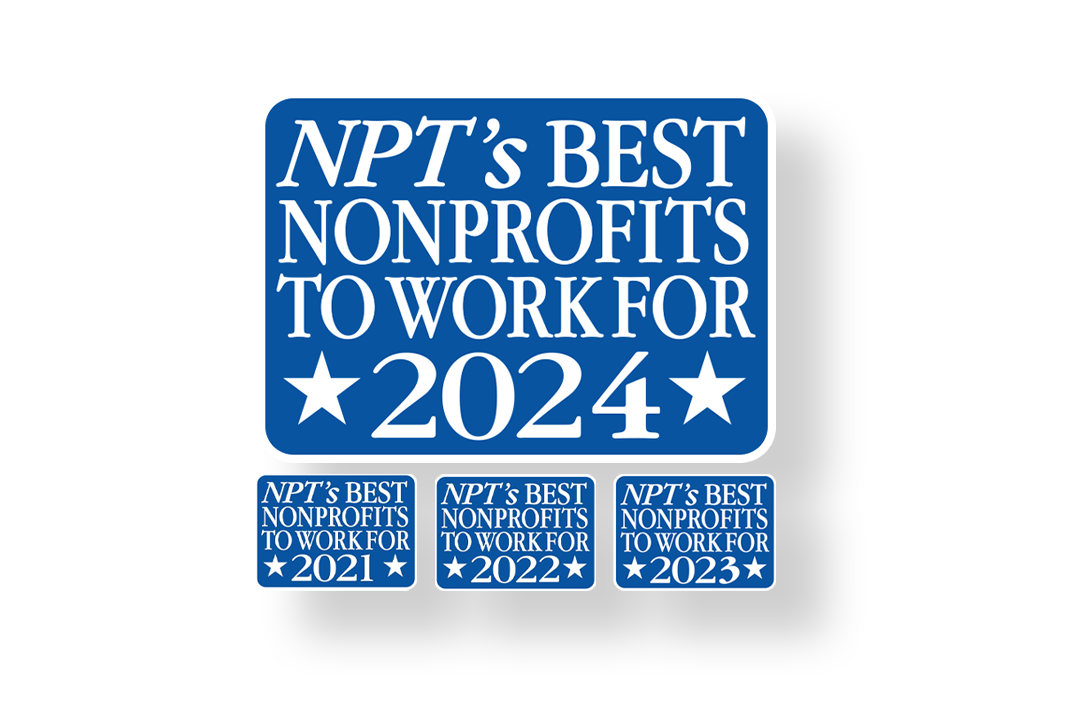
There’s a reason America’s Charites has been named a Best Nonprofit to Work For by the Nonprofit Times the past three years. Our people are the best! Dedicated to helping companies and their employees mobilize the power of giving to improve the world, our goal is to provide clients and donors with an exceptional experience and to create a shared culture of impactful giving. As a 501(c)(3) nonprofit, we hold ourselves to the highest standards in transparency and accountability and apply those standards to the solutions and services we provide. Whether you’re an employee donor, campaign coordinator, or nonprofit receiving funds, you will receive a prompt and knowledgeable response to address your questions about our solutions, processes, and services.
Services

Employee Assistance/ Relief Funds
Establish a confidential application and fund to provide timely, tax-free financial support to employees facing hardship.

Workplace/Employee Giving
Enable employees to conveniently make tax-deductible donations that fuel nonprofit impact through sustainable support.

Disaster Relief
Donate to trusted organizations to support rapid delivery of life-saving help and supplies, as well as long-term recovery efforts.

Volunteerism
Manage, track, and reward employee volunteering with incentives like dollars-for-doers grants and volunteer time off.

Matching Gifts
Unite your team and amplify your impact in the community by financially matching employee contributions.

Corporate Philanthropy and Grantmaking
Control all of your grantmaking data and application processes in the same place as your other giving and volunteering programs.

Scholarship Programs
Improve educational opportunities and build a better-educated workforce with tax-free scholarship award program management.

Charitable Funds Disbursement
Ensure accurate, efficient, and timely disbursement of donations designated to qualified and vetted charities.

Social Responsibility Strategy and Benchmarking
Enhance your giving strategy with benchmarking and advice in developing programs to advance your community investment goals.
Case Studies and Guides
Help Employees Overcome Unexpected Financial Hardship And Stress With An Employee Assistance Fund
A guide for employers interested in starting, expanding, or outsourcing an EAF program.
How To Elevate Employee Engagement And Community Impact Through Workplace Volunteer Programs
A guide to help businesses with existing employee volunteer programs assess and apply strategies to scale impact and grow engagement.
Get Resources and Insights Straight To Your Inbox
Receive our monthly/bi-monthly newsletter filled with information about causes, nonprofit impact, and topics important for corporate social responsibility and employee engagement professionals, including disaster response, workplace giving, matching gifts, employee assistance funds, volunteering, scholarship award program management, grantmaking, and other philanthropic initiatives.